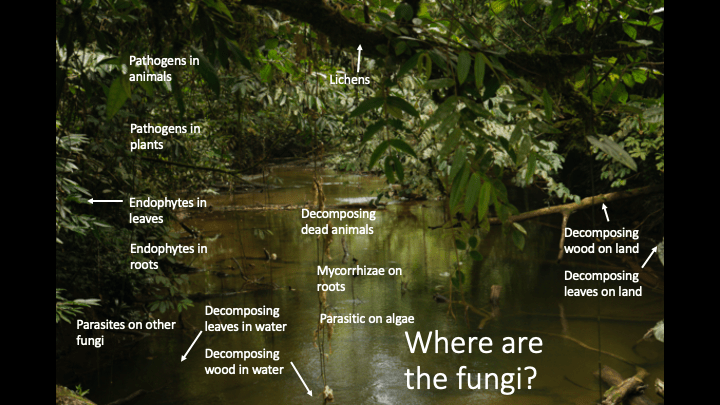
Fungi play critical roles in most ecosystems as saprophytes, pathogens and mutualists.
Saprophytes (or saprotrophs) are organisms which feed on dead or decaying organic matter. Many fungi are saprophytes. They decompose dead organic matter. Fungi are the ultimate recyclers. They decompose wood, leaves, seeds, stems, herbivore dung, dead animals etc. Plants produce 5-33t/ha of organic matter in forest ecosystems every year. Fungi break down this organic matter. They are an essential part of most ecosystem
Parasites are organisms that obtain nutrients from one or a very few host individuals, normally causing harm but not causing death immediately.
Pathogens are parasites that give rise to a disease. Only if the infection gives rise to symptoms that are clearly harmful to the host should the host be said to have a disease. There is a huge variety of fungi that infect plants and insects. In agriculture fungal plant pathogens cost millions of dollars. Of course they are just part of any healthy ecosystem. They are often highly specialised to particular plant or invertebrate species. There are relatively few pathogens of vertebrates.
Mutualists (or symbionts) are organisms which are in a relationship with different species and interact to mutual benefit. Fungal examples of these are mycorrhizae, lichens and endophytes.
Mycorrhizae are fungi that attach to the roots of plants. The fungus provides micronutrients. The plant provides energy from photosynthesis. Around 80% of plant species have mycorrhizae.
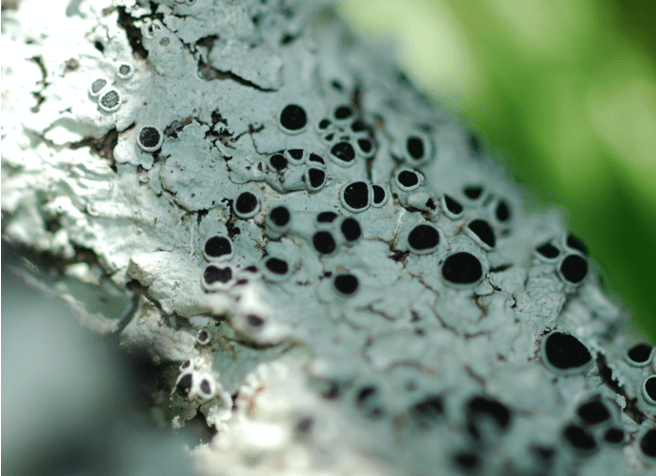
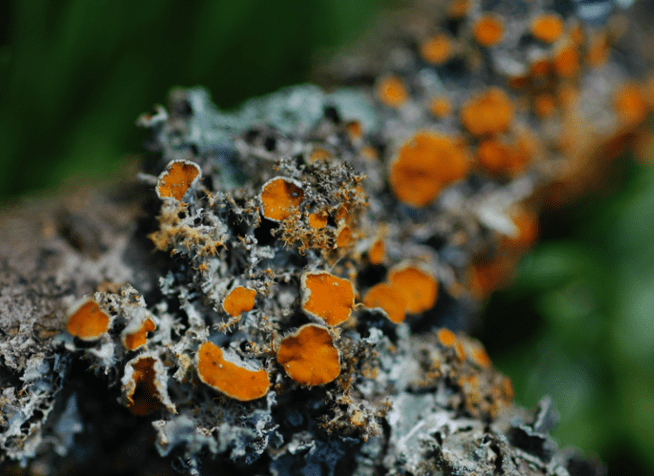
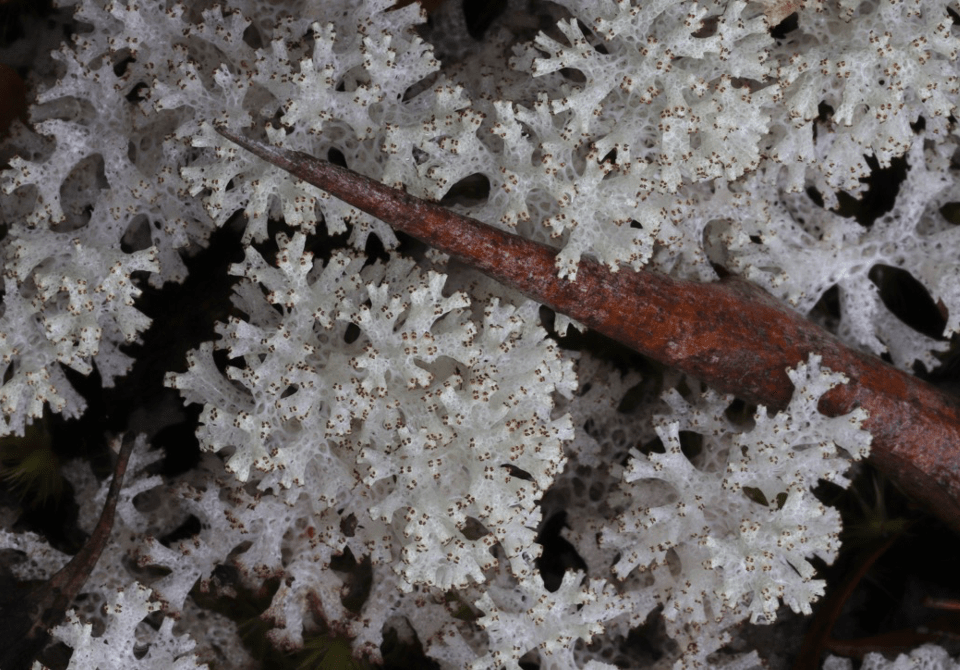
Lichens are fungi that form stable associations with algae and/or cyanobacteria. The fungus provides the structure. Algae or cyanobacteria provide the products of photosynthesis. They live in terrestrial, marine and freshwater habitats.
Lichen:
Endophytes are fungi that live inside plant tissues that are either harmless or beneficial. They are found in all major lineages of plants from the arctic to the tropics. The benefits are still largely unknown, but some examples are disease resistance, resistance to colder temperatures and the ability to tolerate higher salinity.
So in a scene like this one where are all the fungi?
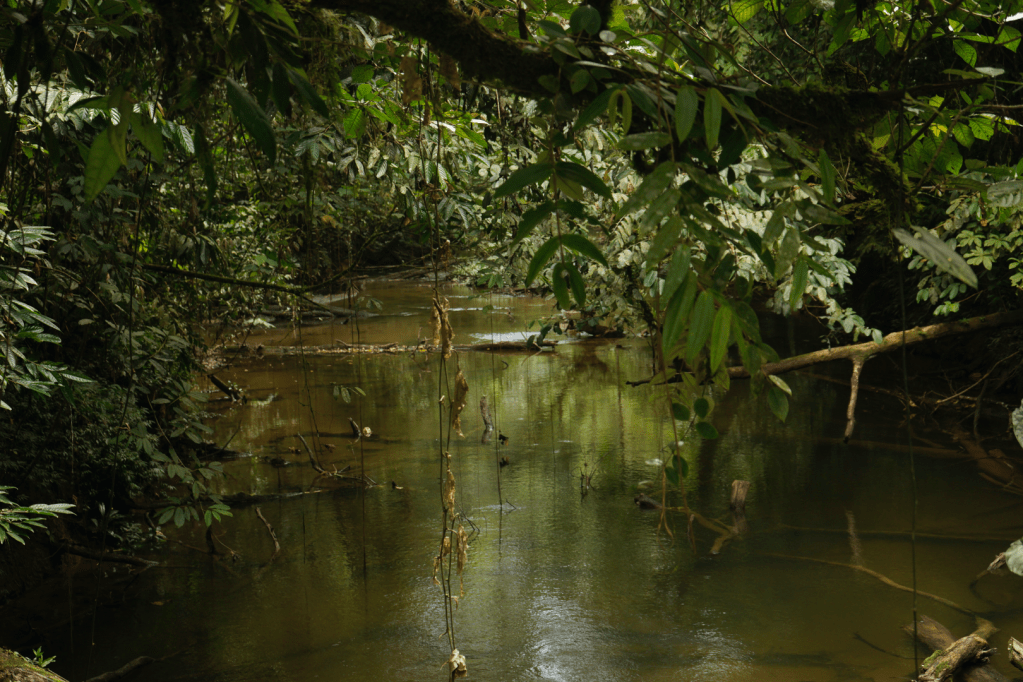
Answer: Everywhere!
 Australian freshwater and marine fungi