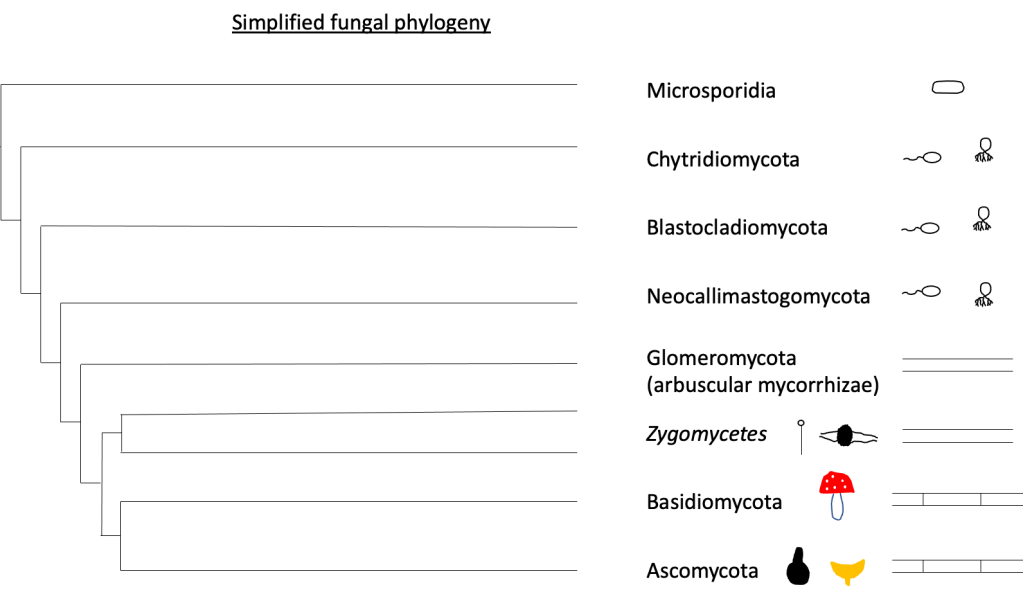
Mycology was traditionally a subdiscipline of botany. DNA sequencing and phylogenetic analysis has shown that fungi are closer to animals than plants and are distinct from both. DNA sequencing has also shown that some fungus-like organisms, such as oomycetes, aren’t true fungi. Whereas some unicellular eukaroytes (the microsporidia) which were classified as protists are in fact true fungi. There are many polyphyletic and paraphyletic groups in the fungal kingdom. The fungal phylogeny is still being resolved.
For the moment we have 8 phyla (give or take a few):
- Basidiomycota – mushrooms, toadstools etc
- Ascomycota – smaller, sac fungi
- Zygomycetes – simpler structures – not actually a phylum
- Glomeromycota – arbuscular mycorrhizae
- Microsporidia – unicellular parasites – used to be protists
- Chytridiomycota (chytrids) – zoosporic fungi
- Blastocladiomycota – similar to chytrids
- Neocallimastigomycota – anaerobic, digestive tract of herbivores
Phylum: Basidiomycota
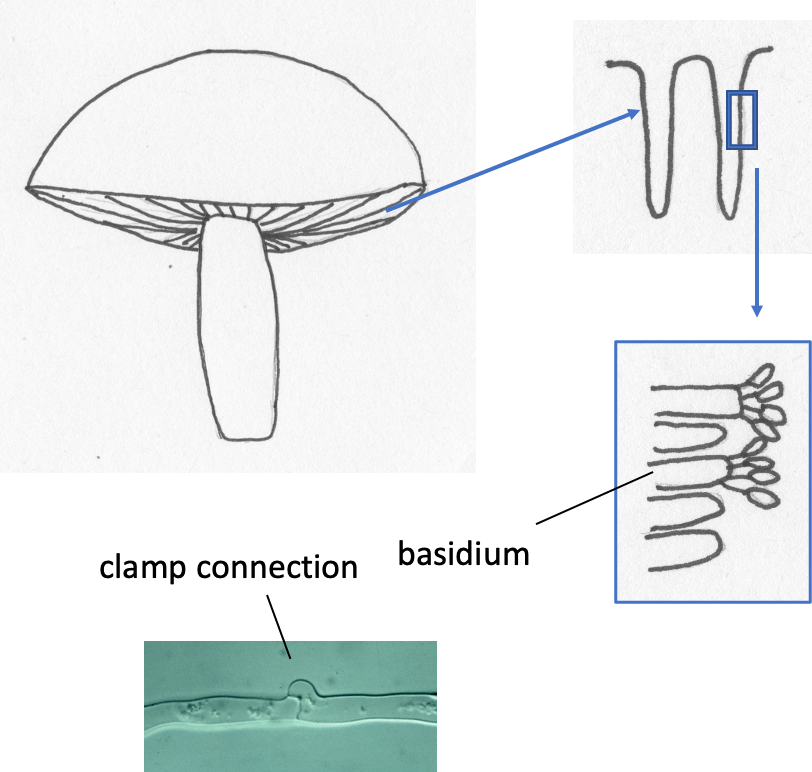
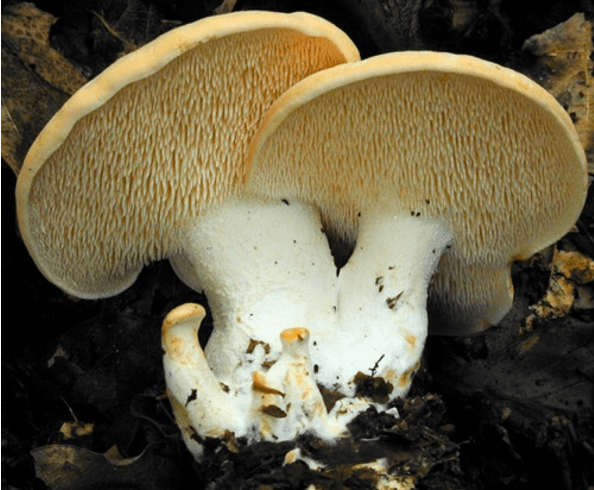
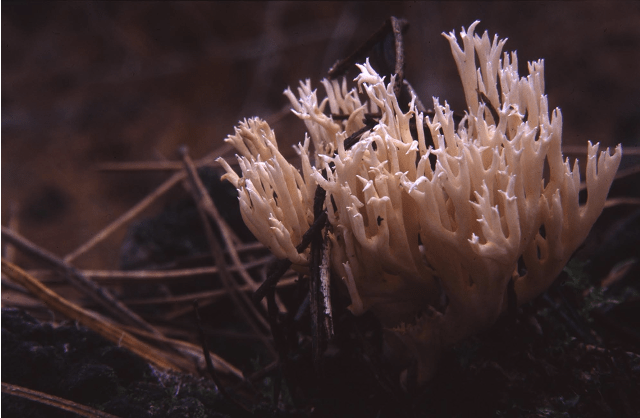
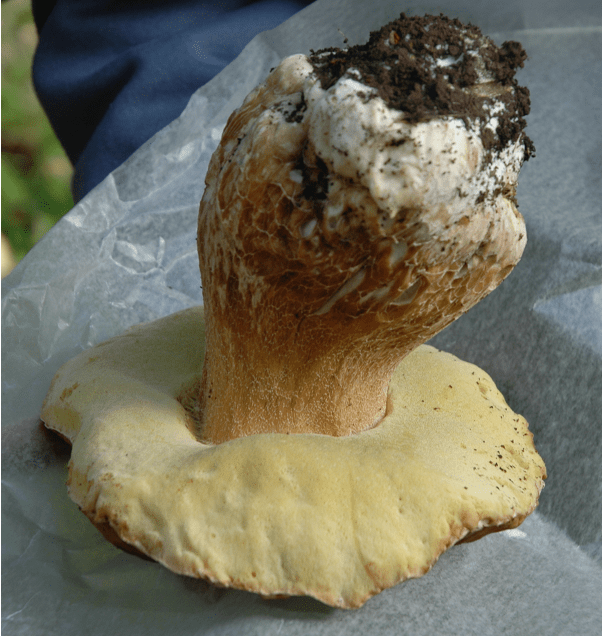
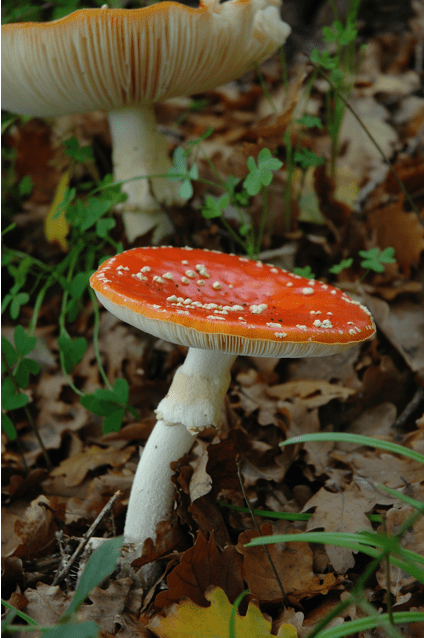
These are the mushrooms and toadstools in addition to a wide variety of other types of reproductive structures. They are commonly referred to as basidiomycetes. The defining character is the basidium (singular) or basidia (plural). Spores develop on basidia within a fruiting structure like a mushroom. There are currently about 32,000 species of basidiomycetes described so far. The are saprophytes, pathogens and mutualists. They have septate hyphae, sometimes with clamp connections (a special type of septum).
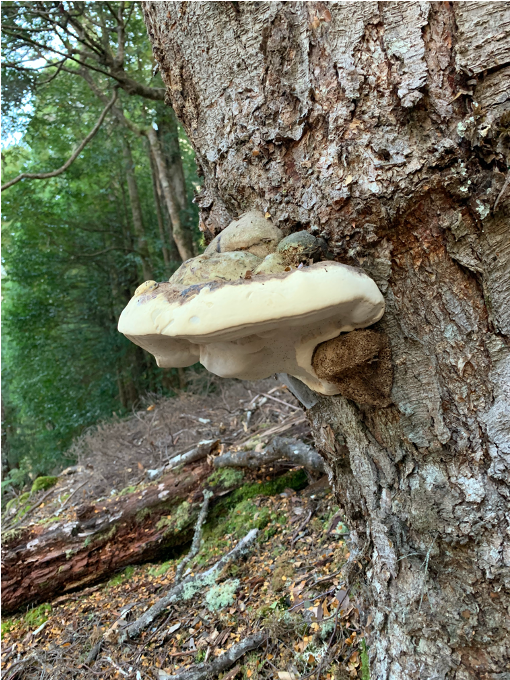
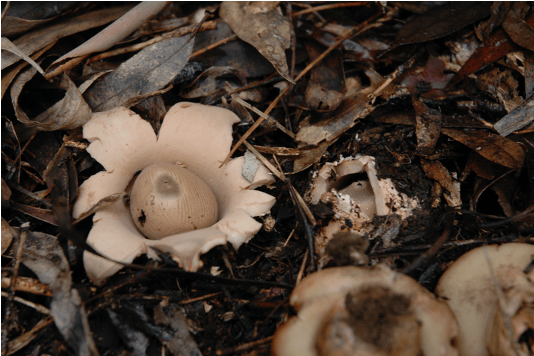
Some examples of basidiomycetes fruit bodies.
Phylum: Ascomycota
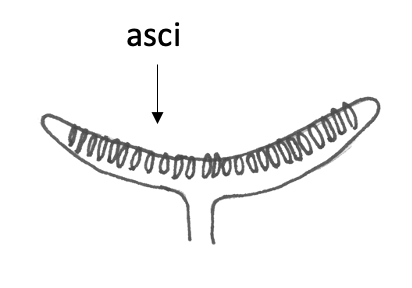
The ascomycota are commonly referred to as ascomycetes. They are saprophytes, pathogens and mutualists. So far there are about 65,000 species described. Their defining character is the ascus (singular) or asci (plural). These are sac-like structures which form inside structures called ascomata (ascoma:singular). Ascomycetes spores (ascospores) form inside the asci. Note that these are the sexual structures. The asexual structures look different.
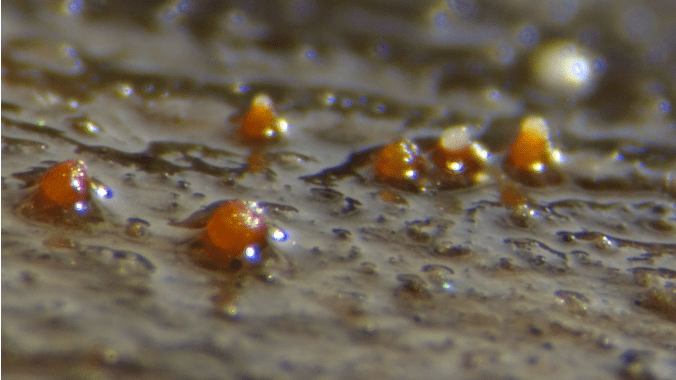
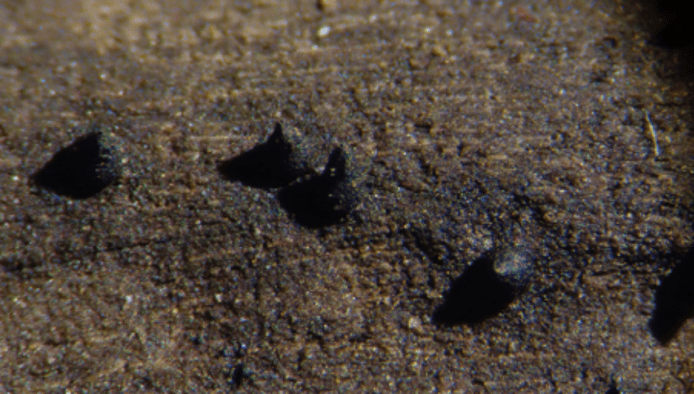
There are various different shapes of ascomata:
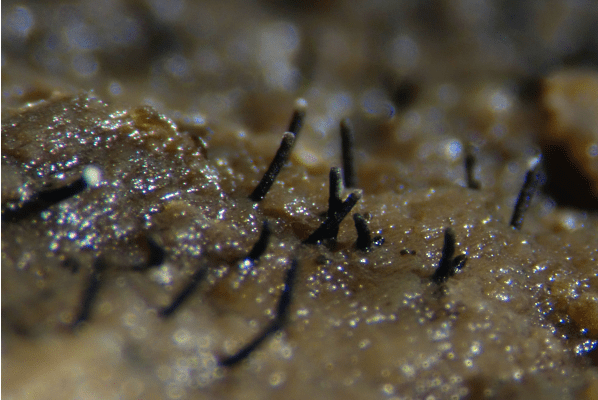
Perithecia
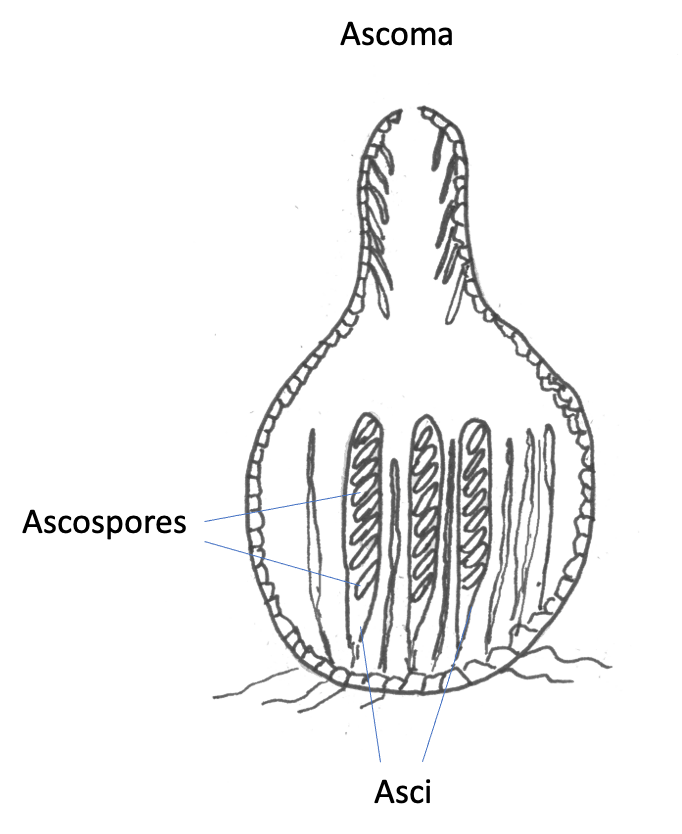
In the image below, the asci and spores are formed within the substrate (which in this case is wood). What you can see is the necks of the perithecia poking out of the substrate. The perithecium would be below the surface.
Apothecia
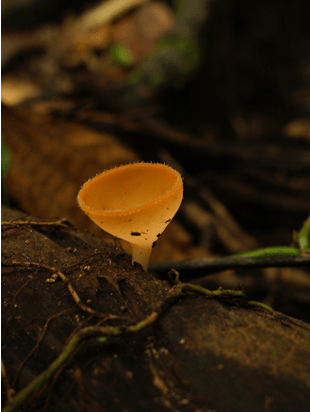
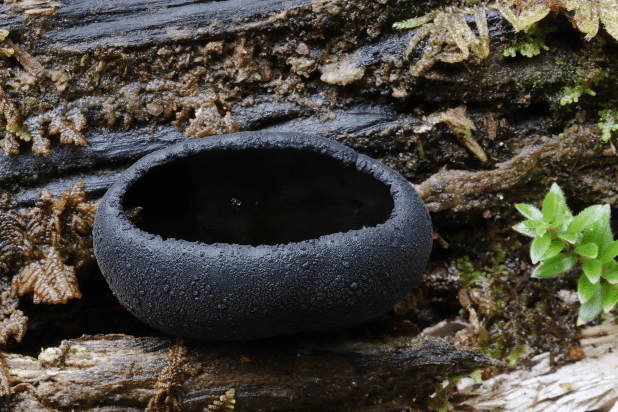
With apothecia the asci are formed inside the cup. Like this:

Cleistothecia
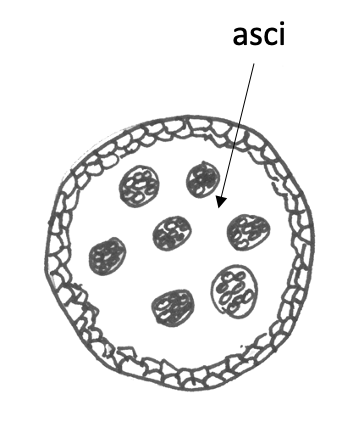
With cleistothecia, the asci are contained within the ascomata with no neck.
Asci
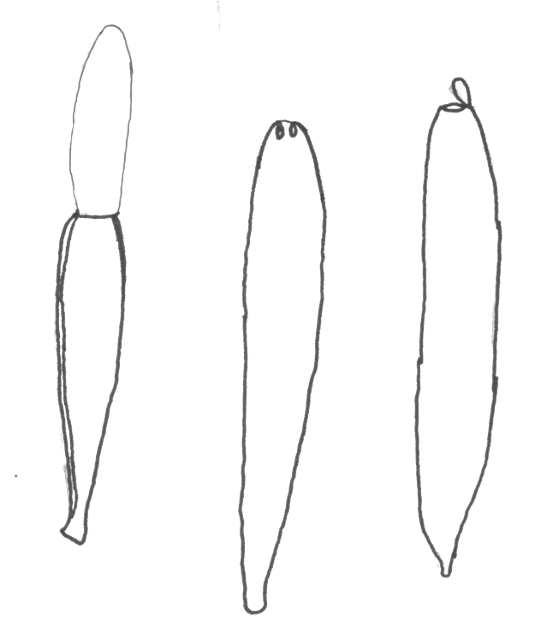
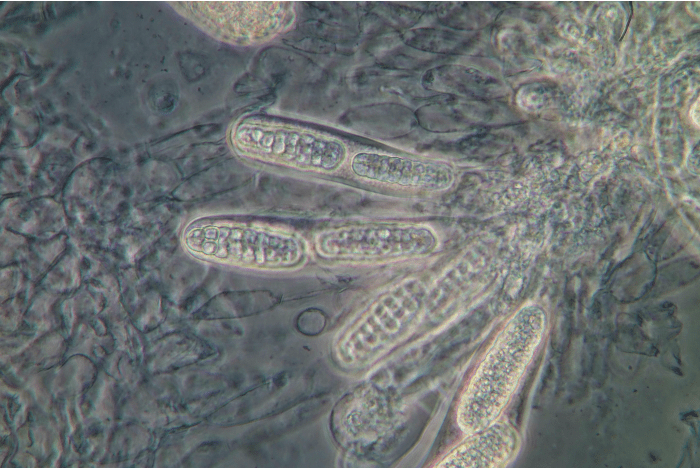
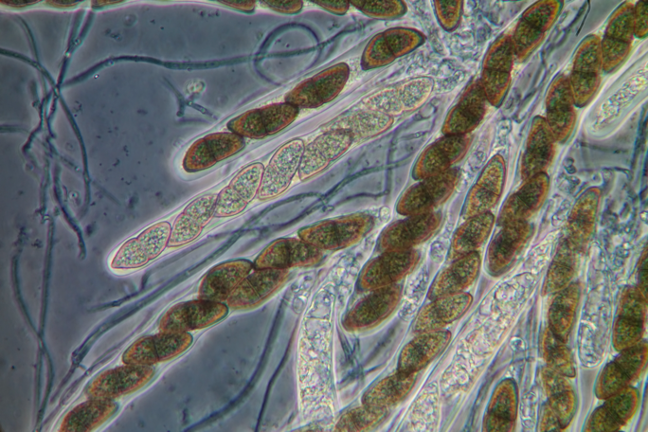
Asci come in different shapes and sizes. They can have 1 wall (unitunicate), 2 walls (bitunicate) or more. They typically have 8 ascospores per ascus, but this can vary.

Ascospores
Ascospores can be highly variable in shape, size, colour, and septation. They can have appendages or sheaths for sticking to substrates or delicate ornamentation such as warts or striations.
These ascospores have appendages at each end.
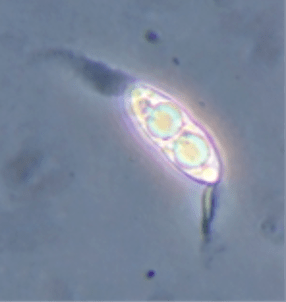

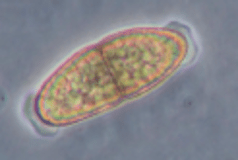
This ascospore has a mucilaginous sheath.
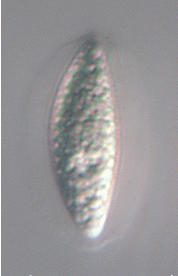
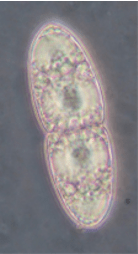
Here are some other examples of ascospores.
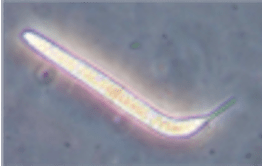
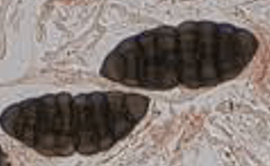

Zygomycetes
Zygomycetes aren’t strictly a phylum. This group is polyphyletic. i.e. they are derived from more than one common ancestor. Mycologists are in the process of resolving the phylogeny of this group. It will most likely be split into several different phyla.
Most zygomycetes are saprophytic in soil and herbivore dung. Some are parasitic on other fungi. Some for mycorrhizal associations. Others live in the gut of insects (the trichomycetes). Nearly all arthropods have these endosymbionts.
Zygomycetes have both sexual and asexual reproduction. The sexual state is reduced to a simple zygosporangium like this:
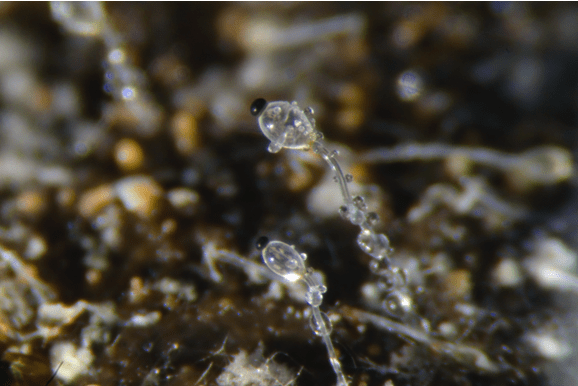
The asexual states are variable but here is one particularly attractive example:
Phylum: Chytridiomycota
Chytrids have motile spores with a flagellum, which makes them quite distinct from the previous three groups. So far there are about 700 species described, but we know that there are thousands more undescribed. They live from the tropics to the arctic regions in freshwater, marine and terrestrial habitats. They are saprotrophs and pathogens, mostly degrading keratin, pollen, chitin and cellulose. One particular species is a big problem for amphibians – /Batrachochytrium dendrobatidis/ . It has caused massive losses in amphibians worldwide.
Phylum: Blastocladiomycota
These are mostly detritivores, but are also pathogens of water bears, daphnia, nematodes, plants and mosquito larvae. Morphologically they are very similar to chytrids. They have zoospores, a thallus and and have both sexual and asexual reproduction. The were originally classified under the Chytridiomycota, but DNA evidence has separated them.
Phylum: Neocallimastigomycota
These also look very similar to the chytridiomycota, but again DNA evidence has separated them into a separate phyllum. They live exclusively in the digestive tracts of herbivores. They are anaerobic and play a major role in fiber-digestion in their herbivore hosts. For more information see FEMS Microbiol Ecol 90:1-17.
Phylum: Glomeromycota
These are a particular group of mycorrhizae. They only have an asexual stage. So far no sexual stage has been found.
Phylum: Microsporidia
These look nothing like other fungi. The used to be classified as protists. They are unicellular parasites that live in all major groups of animals, including humans. Their spores germinate in the gut of the host. They penetrate the gut wall, enter the host cells, grow and divide. They then produce new spores to infect another host. There are around 1 million species of microsporidia. So far only about 1500 species have been named.
Fungus-like organisms
There are a number of organisms that look like fungi, but are phylogenetically quite distinct. The main two groups are the oomycetes and the myxomycetes.
Oomycetes
Oomycetes were previously classified as fungi. DNA sequencing revealed that they aren’t true fungi. They are in the Kingdom Straminipila. They have zoospores like chytrids, but have cell walls made out of cellulose. They have hyphae like fungi without septa. They are significant plant pathogens. eg /Phytophthora infestans/, which causes potato blight. It has caused many famines including in the 1840s in Europe, and 1845 in Ireland. Phytophthora cinnamomi “root rot” is a significant plant pathogen in Australian ecosystems. It kills grass trees (/Xanthorrhea/ ), Banksia spp., Acacia /mytirofolia/, /Isopogon certophyllus/, /Eucalyptus obliqua/, /Eucalyptus baxteri/and many more.
Myxomycetes
These are commonly called slime moulds. They were previously classified as fungi, but again, DNA sequencing showed that they are not true fungi. They are in the Kingdom Protozoa. They do not have hyphae and they don’t usually have cell walls. They produce fruit bodies which superficially resemble fungi.
 Australian freshwater and marine fungi